

· AFX Research
HOA Liens and Your Title Search: What Actually Shows Up
A title search finds the recorded HOA documents and any assessment lien filed against the unit — but never the balance owed today. Here is the difference between the two records, and why a careful buyer gets both.
Table of Contents
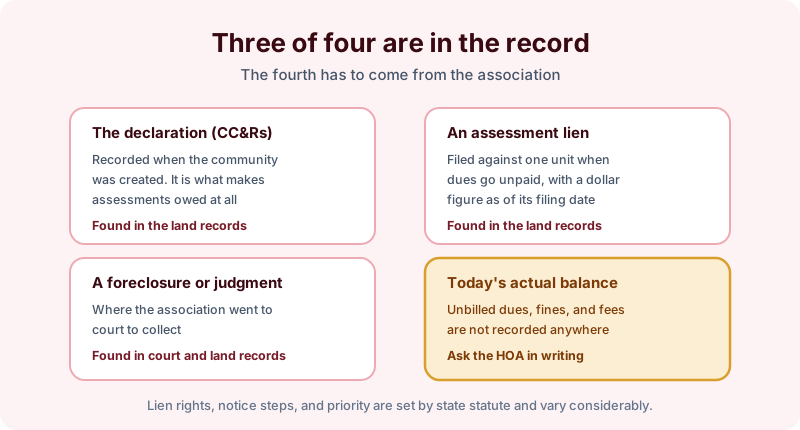
Roughly a third of American homes sit in a community association, and unpaid dues are one of the most common surprises at a condo or planned-community closing. A title search will tell you whether an association has liened the property, but it cannot tell you what the owner owes this morning — those are two different records, held by two different parties.
The declaration comes first
Before any lien exists, there is a recorded declaration of covenants, conditions, and restrictions, filed when the community was created. It is the instrument that makes assessments owed at all, and it usually spells out the association’s remedy when they are not paid.
A search picks it up because it is recorded against the land, and it applies to every unit in the community whether or not anyone is behind. Reading it is how you learn what the association can charge and what it can do about arrears. It is also where special assessment authority lives, which matters more than most buyers expect on an aging building.
The assessment lien
When dues go unpaid, most associations record a lien against the individual unit. That document names the owner, states an amount as of its filing date, and takes its place in the recording order.
It is a real encumbrance, and it turns up on a current owner search like any other. What it is not is current. A lien recorded in 2023 for $2,400 says nothing about the eighteen months of dues, late fees, and attorney charges that may have accrued since.
Where it escalates
Associations that are not paid can sue, obtain a judgment, or in many states foreclose on their lien. Those filings live partly in court records and partly in the land records, and a search covering both is how you find them.
Priority is where state law matters most. Some states give association liens a limited super-priority ahead of a first mortgage; others do not. That is a statutory question in the state where the property sits, not something the recorded document announces, and it is worth an attorney’s read when real money is at stake.
The part no search can find
The current payoff figure is not recorded anywhere. It sits in the association’s or the management company’s ledger, along with transfer fees, capital contributions, violation fines, and any special assessment approved but not yet billed.
That is what an estoppel letter or association demand is for. Order it from the association directly, in writing, and expect a fee and a few days of turnaround. A title search and an estoppel letter answer different questions, and a careful closing uses both — the same pairing logic behind a search plus title insurance.
The bottom line
Use the search to learn what has been recorded against the unit and where it stands in line, and use the association to learn the number. If you are buying into a community and want the recorded side documented with copies attached, order online or ask us what a search of that property would cover.