

· AFX Research
Deed of Trust or Mortgage: What the Search Shows
Two documents that do the same job under different names, released by different instruments, in different states. What each one looks like in a title search, and which release you should be hunting for.
Table of Contents
People reading their first title report often get stuck on a vocabulary problem. They expected to see a mortgage and the report shows a deed of trust, or the reverse, and it reads like a discrepancy. It is not. These are two ways of securing the same loan against the same parcel, and which one appears depends mostly on which state you are in. What matters for your file is the release.
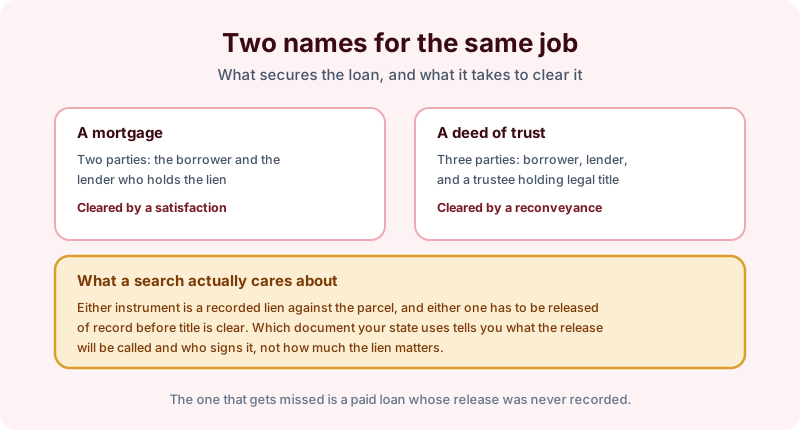
The structural difference
A mortgage runs between two parties. The borrower grants a lien to the lender, and the lender holds it directly.
A deed of trust adds a third. The borrower conveys title to a trustee, who holds it for the lender’s benefit until the debt is paid. The trustee is usually a title company or an attorney and does nothing at all unless something goes wrong.
That extra party is the whole reason the two exist, because it changes how a foreclosure proceeds. Deed of trust states more commonly allow a non-judicial process; mortgage states more commonly require going through a court. Practice varies, some states use both instruments, and how a foreclosure would actually run is a question for a local attorney rather than an abstractor.
Why the release has a different name
This is the practical part. When the loan is paid off, the lien has to come off the record, and the document that does it is named differently:
- A satisfaction of mortgage, or a release of mortgage, discharges a mortgage.
- A deed of reconveyance, sometimes a release of deed of trust, discharges a deed of trust.
Both are recorded, both reference the original instrument by book and page or document number, and both are what a search looks for. If you are trying to prove an old loan is gone, knowing which word to search for saves a round trip, and it tells you who should have signed the thing.
What gets missed
The recurring problem is not the vocabulary, it is a paid loan whose release was never recorded. The borrower paid, the lender closed the file, and nobody filed the reconveyance. The lien sits in the index looking alive, and it will hold up a sale until it is cleared.
That shows up constantly on refinances, where the old loan should have been released when the new one recorded. Our note on a refinance search covers what to check, and reading the report itself is easier once you know the pairing between instrument and release.
When in doubt
Send us the address, the county, and the owner’s name, and say whether you are trying to confirm a payoff, clear an old lien, or just see what is outstanding. We will report every security instrument found of record with its recording date and any release, and attach the copies. Order online, or ask us first.