

· AFX Research
Title Search Before a Tax Deed Sale
A tax deed can wipe out some liens and leave others standing, and the rules depend on the state. What to check in the record before you bid, and why a fresh tax deed is often hard to insure.
Table of Contents
Tax sales attract buyers because the entry price looks low. The reason it looks low is that a tax deed conveys whatever the taxing authority had the power to convey, and figuring out what that is takes a records search rather than an assumption. Some encumbrances are extinguished by the sale. Others survive it and become the new owner’s problem, sometimes for more than the purchase price.
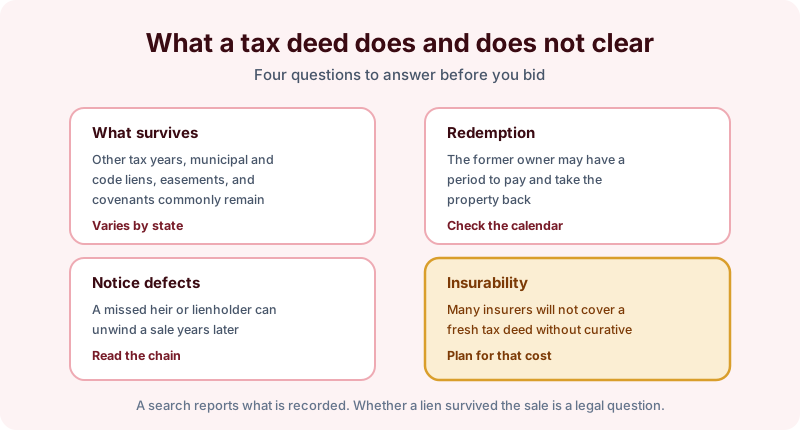
What survives the sale
This is state law, and it varies more than almost anything else in title work. Depending on the jurisdiction, the following commonly remain attached after a tax deed: other unpaid tax years and special assessments, municipal utility and code enforcement liens, recorded easements and restrictive covenants, and in some states certain federal liens with their own redemption rights.
Recorded mortgages are usually the ones extinguished when the process was done correctly, and correctly is where the risk lives.
The three questions to answer
Is a redemption period still running? Many states give the former owner a window after the sale to pay the taxes and recover the property. Knowing whether that window is open, and when it closes, changes what you are actually buying.
Was notice properly given? A tax sale can be attacked years later if an owner, an heir, or a lienholder entitled to notice never received it. Reading the chain of title tells you who those parties were, and that is the same work described in our note on current owner versus full chain searches.
What else is recorded? Judgments, easements, HOA claims, and code liens all show up in the same search, and they are worth pricing before the auction rather than after.
There is also a difference worth keeping straight between a tax lien certificate and a tax deed. In certificate states the auction sells the delinquent tax obligation and the interest that runs on it, and title only changes hands if the certificate is eventually foreclosed. In deed states the auction conveys the property itself. Both get called tax sales, and the search you need at each stage differs.
Insurability comes later
Expect a gap. Many title insurers will not issue a policy on a fresh tax deed without curative work, which can mean a quiet title action or a waiting period defined by state law. That does not make the purchase a bad one; it makes it a purchase with a second stage and a second budget. Auction buyers face a related timing problem covered in our note on searches before a foreclosure auction.
One more item belongs on the pre-bid list: what is actually on the parcel. Properties reach a tax sale because nobody was paying attention to them, so a vacant structure, an unpermitted addition, or a demolition order from the city is common. Code enforcement charges that were recorded will appear in the search. The condition of the building will not, and that is worth a drive by before the auction.
When in doubt
Search before you bid, not after. A report on the parcel will tell you what is recorded against it, with copies of the instruments, and most of our searches come back the same business day, as our note on turnaround explains. Whether a particular lien survived a particular sale is a legal question for a lawyer in that state. Order online, or ask us which search fits the sale calendar you are working against.