

· AFX Research
Title Search for a Bank Owned or REO Purchase
A foreclosure clears some liens and leaves others attached, and the sale itself can be the defect. What survives, what does not, and why an REO deed is not evidence that the title is clean.
Table of Contents
Buying an REO feels safer than buying at auction. There is a bank on the other side, a normal closing, and time to inspect. What does not change is that the property arrived in the bank’s hands through a foreclosure, and a foreclosure clears some things while leaving others exactly where they were.
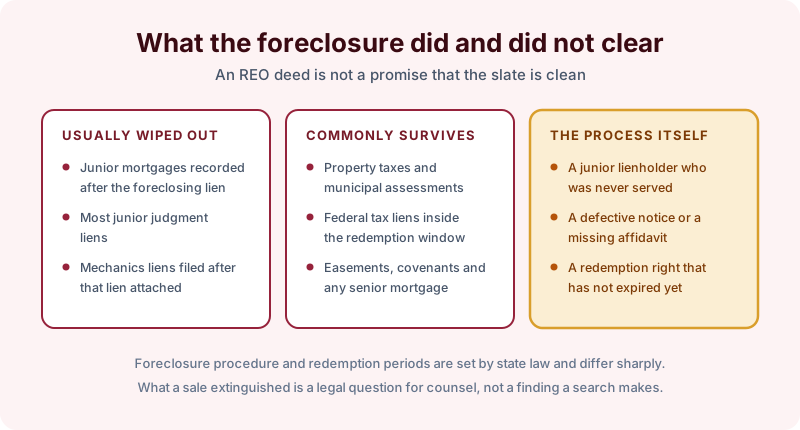
What the foreclosure usually cleared
A foreclosure extinguishes interests junior to the lien being foreclosed. In practice that means junior mortgages, most junior judgment liens, and mechanic’s liens that attached after the foreclosing mortgage. The second mortgage that made the property unsellable a year ago is generally gone.
What it usually did not
- Property taxes and municipal assessments. These typically outrank everything, including the mortgage that was foreclosed.
- Senior mortgages. If a junior lender foreclosed, the first is still there, and it is now yours to deal with.
- Easements, covenants and restrictions. These run with the land and a foreclosure does not disturb them.
- Federal tax liens inside the redemption window. The IRS commonly holds a right to redeem for a set period after the sale.
The defect that is the sale itself
This is the part people miss. The foreclosure is a legal proceeding, and proceedings can be run badly. A junior lienholder who was never properly served keeps their lien. A defective notice, a missing affidavit, or a break in the assignment chain showing the foreclosing party had standing can all leave the sale open to challenge.
None of that is visible from the deed. It shows up in the recorded foreclosure documents, which is why the search has to read them rather than simply note that a trustee’s deed exists. A title search before a foreclosure auction does the same work at an earlier stage.
Redemption is worth checking separately. A number of states give the former owner a period after the sale in which they can pay and take the property back, and that period can still be running while the bank is marketing the house to you.
Why the bank’s paperwork is not the answer
REO sellers convey by special warranty deed or quitclaim, and they routinely sell without a survey, without disclosures, and with contract terms that put every title risk on the buyer. That is a reasonable position for a seller that never lived there. It also means nobody upstream has checked any of this for you.
An independent search is the only thing standing between you and whatever the foreclosure left behind. Order it on the property, not on the bank’s assurances.
The bottom line
A foreclosure is a filter, not a reset. Taxes, senior liens and recorded restrictions come through it intact, and a procedurally flawed sale can hand you a title somebody is entitled to attack. Search the chain, read the foreclosure documents, and confirm any redemption period has run before you close.
We can usually turn this around in under a day. Order online, or ask us what a search on that particular property should cover before you commit to the purchase.