

· AFX Research
Title Search for a Condo Purchase
Buying a condominium means buying a unit and joining an association at the same time. What the county record holds about each, and which documents you have to get from the association itself.
Table of Contents
A condominium purchase is two transactions wearing one coat. You are buying a specific unit, and you are simultaneously becoming a member of an association whose finances and rules you did not negotiate. A title search covers the first thoroughly and the second only partly, and knowing where that line falls is most of what protects you.
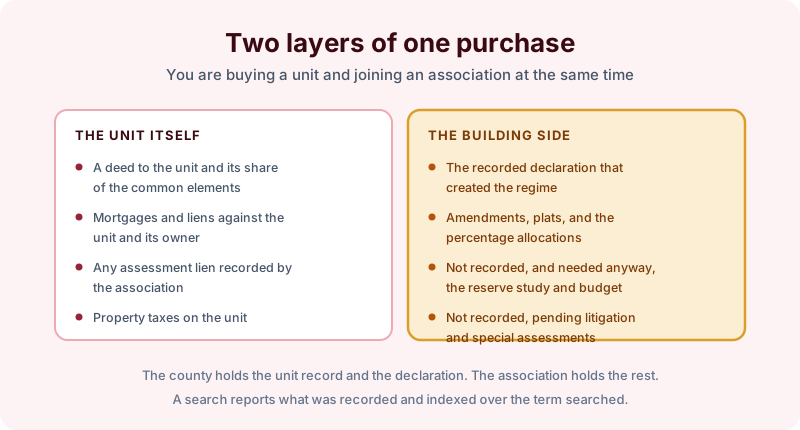
What the search covers on the unit
The unit is real property and behaves like it. The search returns the deed conveying the unit together with its undivided share of the common elements, the mortgages and liens recorded against it, any assessment lien filed by the association, and the property tax position.
It also returns the recorded declaration that created the condominium regime in the first place, along with its amendments, the plats, and the percentage allocations that decide your share of the common expenses. That declaration is the constitution of the building, and it is a public document.
What the county does not hold
Here is where buyers get caught. The association’s financial condition is not in the land records.
- The reserve study and the operating budget. Whether the building has money set aside for the roof it will need in four years.
- Pending special assessments. A vote taken last month obligating every unit does not become a recorded lien until somebody fails to pay it.
- Litigation involving the association. Construction defect claims in particular can be enormous and entirely invisible in the record.
- The current balance on the unit. Arrears sit on the association’s ledger until a lien is filed.
All of that comes from the association, usually as a resale certificate or estoppel letter. Order it, and read it.
Assessment liens deserve their own look
An association’s claim can be serious, and in a number of states some portion of it sits ahead of a recorded first mortgage. The search will show you any lien that has been filed and its recording date, which is the factual half of the question. Whether it outranks anything is a legal conclusion that turns on that state’s statute, and the same dynamic covered in HOA liens and your title search applies here with the numbers usually larger.
Read the declaration before you commit
Rental caps, pet limits, whether the unit may be used short term, who is responsible for windows and balconies, and what alterations need approval are all in the recorded declaration. People discover these after closing far more often than they should, given that the document was public the whole time. If a limited common element like a parking space or storage locker is part of the deal, confirm the declaration actually assigns it to your unit.
The takeaway
Search the unit and read the declaration from the county, then get the budget, the reserve study, the litigation disclosure, and the current balance from the association. Both halves are needed and neither substitutes for the other. Order online for a certified search of the unit, or ask us what the search would and would not cover before you order.