

· AFX Research
Title Search Before a Rent to Own or Lease Option
You pay toward it for years and the seller keeps the deed the whole time. What the record should show before you sign, and what can happen to the house while you are still only a tenant.
Table of Contents
Rent to own arrangements put you in the house now and give you the right to buy it later. What they do not do is give you the deed, and everything that makes these deals risky follows from that one fact. For the length of the option period the property belongs to somebody else, and whatever happens to that person happens to the house you are paying for.
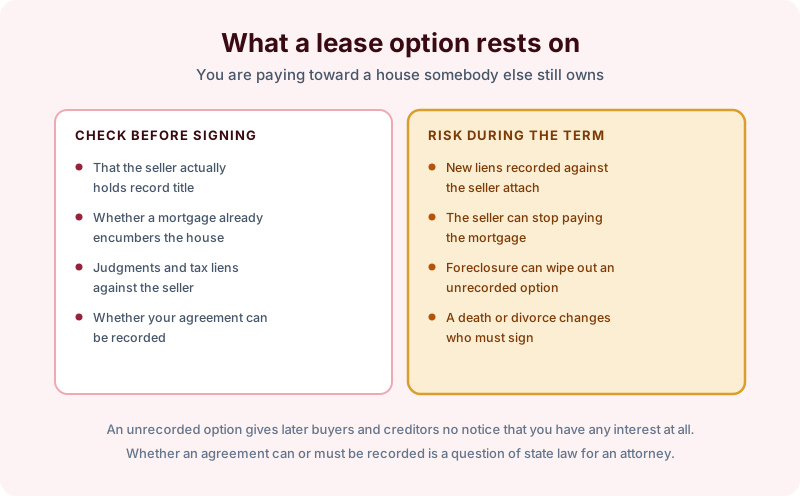
Four things to establish before signing
- That the seller owns it. It sounds absurd to check, and it is the single most common failure. People have signed lease options with someone who was themselves renting, or who inherited a share of a house they could not convey alone.
- What is already against it. An existing mortgage is normal. An existing mortgage the seller is behind on is a different matter, because the lender can foreclose regardless of your agreement.
- Judgments and tax liens against the seller. These attach to property the seller owns, and they are indexed under the seller’s name rather than the address.
- Whether your agreement can be recorded. Most states allow a memorandum of the option to be recorded, which puts the world on notice of your interest without publishing the price.
Recording is the whole game
An unrecorded option is close to invisible. If nothing is on file, a later buyer, a new lender, or a creditor of the seller has no notice that you exist, and in most states that means your interest can lose to theirs.
Whether recording is required, permitted, or advisable in your state is a legal question for an attorney, and it is worth the consultation. This is the same protection gap that runs through seller financing and land contracts, where the buyer pays for years while the record says someone else owns the property.
Things that change during the term
Three or five years is long enough for the seller’s circumstances to change completely. New judgments get docketed. A second mortgage gets taken out. Taxes go unpaid. The seller dies and the property lands in an estate with heirs who never agreed to anything, or divorces and a spouse acquires an interest that has to be dealt with before anyone can convey.
None of that generates a notice to you. A search at the start and another before you exercise the option is the only way to see it coming, and the second one matters most, because that is the moment the deed finally has to be good.
The bottom line
You are buying a promise from a person, secured by a house that person still owns. Check that they own it, check what is against it, record what your state allows you to record, and search again before you exercise. Recording practice varies by county, and an empty result means nothing was found in the indexes searched rather than that nothing exists. Order online for a certified search of the parcel and the seller’s name, or ask us what the search would and would not cover first.