

· AFX Research
Title Search for Seller Financing
When the seller carries the note, nobody is underwriting the title for you and the seller usually stays on the record while you pay. What to search before signing, and what to record so your interest is visible.
Table of Contents
Seller financing removes the lender, and with it the one party in a normal purchase whose job is to insist on a clean title before money moves. The diligence does not disappear; it transfers to the buyer. In most of these structures the seller also remains the owner of record until the balance is paid, which creates a second exposure that a one-time search at signing does not cover.
Start with who actually owns it
Confirm the record owner and how title is held before anything else, because a seller who is one of three heirs, or who holds through an entity that was dissolved, cannot deliver what the contract promises. That is the question our note on how to find out who owns a property walks through, and in a seller financed deal it is not a formality.
Then search what is already attached
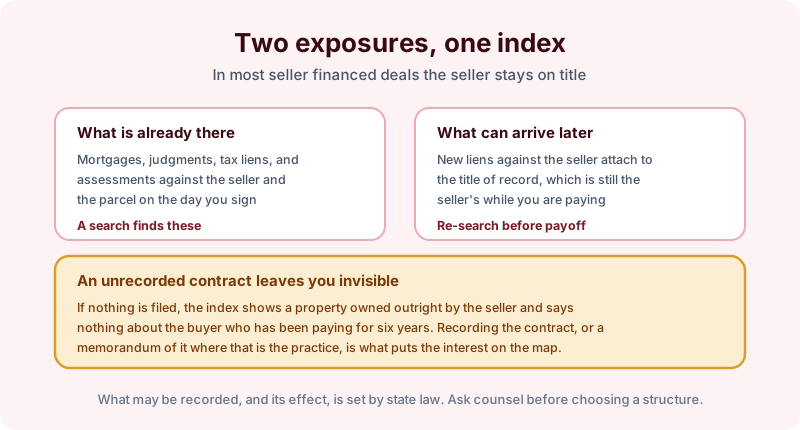
Mortgages, judgments, tax liens, and assessments against the seller and the parcel are the items that can take the property out from under a buyer who has been paying faithfully. Two deserve particular attention.
An existing mortgage. If the seller still owes a lender, that loan is senior to whatever the buyer is being given, and most such loans contain a clause allowing the lender to demand payment when the property is sold. Knowing the balance and the terms is not optional.
Delinquent taxes. These commonly outrank everything, and in a structure where the buyer is paying the seller rather than an escrow, it is worth confirming who is actually paying the county.
The exposure that comes after closing
Because the seller stays on title, a judgment entered against the seller next year, or a new mortgage they take out, attaches to the title of record. The buyer’s protection depends on what was filed and when, which is a state law question, but the practical step is the same everywhere: re-search the record before making the final payment and taking the deed, not only at the beginning. The distinction between the two security structures is covered in deed of trust versus mortgage.
Record something
An unrecorded contract leaves the index showing a property the seller owns free and clear, with nothing about the buyer at all. Recording the contract, or a memorandum of it where that is local practice, is what makes the interest findable by the next searcher, the next lender, and the next judgment creditor. What may be recorded and what effect it has are set by state law, so that is a question for counsel before choosing the structure.
The bottom line
Order a search before you sign, and order an update before the final payment. The limits of any search are in what a title search cannot find — unrecorded agreements chief among them, which is exactly why recording yours matters. Order online, or ask us to scope both the search now and the update later.