

· AFX Research
Title Search on Property Owned by an LLC or Trust
When title is vested in an entity rather than a person, the search changes: which name to search, why name variants hide recorded liens, and why the operating agreement or trust instrument is never in the county record.
Table of Contents
You’ve agreed to buy a property from someone you’ve met, negotiated with, and shaken hands with. Then the deed comes back showing title vested in an LLC you’ve never heard of, or in a trustee. The person is not the owner; the entity is, and that changes what a title search has to look for.
Search the name on the deed
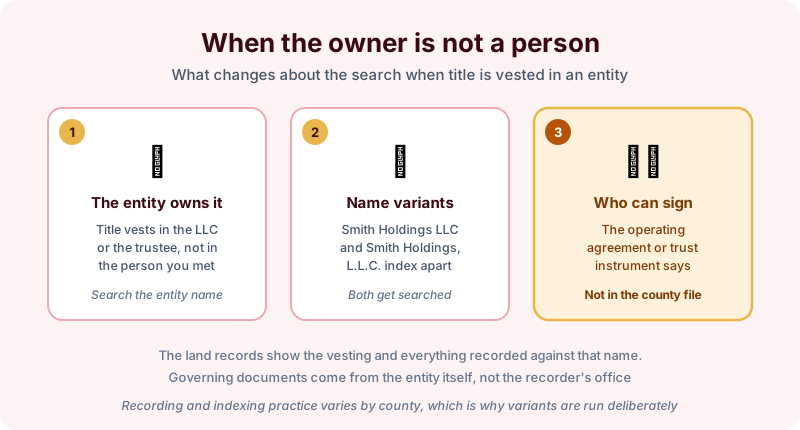
County land records are indexed by the name on the instrument. If the deed vests title in “Riverbend Holdings LLC,” that is the name liens attach to and the name the search has to run. Searching the manager’s personal name will return their personal record, which is a different question and often an empty one.
This cuts both ways, and it’s the part sellers rarely volunteer. A judgment against the individual member generally does not attach to property titled in the LLC, and a lien against the LLC does not follow the member personally. Whether a creditor could reach through the entity in a given case is a legal question, not a records question.
Name variants are the quiet failure
Indexes are literal. These are not the same string:
- Riverbend Holdings LLC and Riverbend Holdings, L.L.C.
- The Miller Family Trust and Miller Family Revocable Trust dated 3/14/09
- An entity that changed its name or converted from a corporation to an LLC mid-ownership
A search run against one spelling can come back clean while a recorded lien sits under another. Running the variants deliberately is part of the work, and it’s one of the clearer differences between a certified search and a free county lookup.
Trusts add a layer
With a trust, title usually vests in the trustee, in that capacity, rather than in the trust as such. So the search covers how the trustee is named on the deed, and whether a successor trustee has been substituted by a recorded instrument. A trustee who died or resigned without any recorded change is a common find, and it matters because it affects who has authority to convey.
What the county record will not tell you
Here is the limit worth stating plainly. The land records show the vesting and everything recorded against that name. They do not contain the LLC’s operating agreement or the trust instrument, so they cannot tell you who is authorized to sign a deed. That comes from the entity’s own governing documents, plus a state entity search to confirm the LLC exists and is in good standing.
A search confirms the property is titled where you think it is and shows what stands against it. Confirming signing authority is a separate step, and closing without it is how deals get unwound.
When in doubt
If the seller is an entity, say so when you order, and provide the exact name from the deed if you have it. Compare our report options, order online, or ask us and we’ll confirm which name variants a search of that property should cover before anything is ordered.