

· AFX Research
Title Search for a Duplex or Small Multifamily
Two to four units looks like buying a house and behaves like buying a business. What the record shows about the leases, the liens and the permits, and the three questions it cannot answer for you.
Table of Contents
A duplex finances like a home and operates like a small commercial building, and the title search sits awkwardly between the two. The land record treats it as one parcel. Your tenants, the building department, and the city’s rental registry all treat it as several units, and none of them file anything with the recorder.
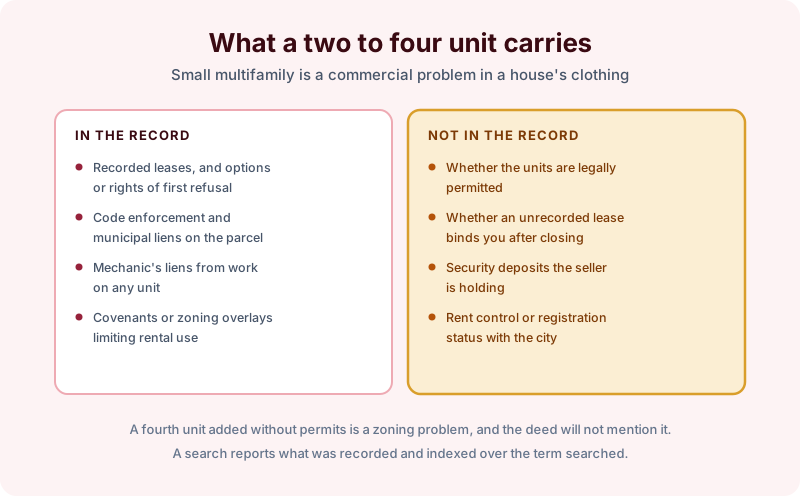
What the search does surface
- Recorded leases and options. A long commercial-style lease is sometimes recorded, and it can carry a purchase option or a right of first refusal that survives your closing. Worth knowing before you own it.
- Code enforcement and municipal liens. Small rentals attract them. Unregistered units, failed inspections, and unabated violations all attach to the parcel rather than to the landlord who earned them, the same territory as code enforcement liens.
- Mechanic’s liens. Work on one unit encumbers the whole parcel, because the parcel is the security.
- Recorded covenants. Older subdivisions occasionally carry restrictions limiting a lot to a single family dwelling, which sit on top of whatever the zoning currently permits.
The unit count is the real risk
The commonest expensive surprise on these buildings is a unit that was never permitted. A basement apartment, a converted attic, a garage that became a third unit twenty years ago. It rents, it has a tenant, and it is not legal.
Nothing about that appears in the land record. The deed conveys a parcel and says nothing about how many kitchens are on it. Confirming the legal unit count means asking the building department, and doing it before closing rather than after, because a city that discovers the problem later will make it your problem and may require the unit to be removed.
Leases you cannot see
An unrecorded lease is the other gap. Most residential leases are never recorded, yet a tenant in possession is generally entitled to stay on the terms they have, and in many states a buyer is charged with knowing about anyone visibly occupying the property.
So ask for the leases directly, and for the rent roll and the security deposit ledger with them. Deposits are usually the seller’s liability transferring to you at closing, and they are money you will owe back to somebody without ever having received it.
Run the seller as well as the parcel
Judgments and tax liens against the owner can attach to property that owner holds, and they are indexed under the owner’s name rather than the address. On small rentals held by an individual landlord this catches things a parcel-only search misses, and the same logic applies when the building sits in an entity, covered in property owned by an LLC or trust.
The bottom line
Search the parcel and the seller, then treat the permit question and the leases as separate homework nobody else is going to do for you. Recording practice varies by county, and a clean report means nothing was found in the indexes searched rather than that nothing exists. Order online for a certified search of the parcel and the owner’s name, or ask us what a search of that scope would cover first.