

· AFX Research
What a Title Search Shows on a Timeshare
Only one kind of timeshare is real estate, and only that kind appears in the county land records. How to tell which one you own, what a search of the interval shows, and why unpaid assessments follow the interest.
Table of Contents
Timeshares generate more title confusion per dollar than almost anything else people buy. Somebody wants to sell one, give one away, or clear one out of a parent’s estate, and the first question is always the same. Is this real property that a title search can find, or is it a contract that lives entirely outside the land records? The answer decides everything that follows.
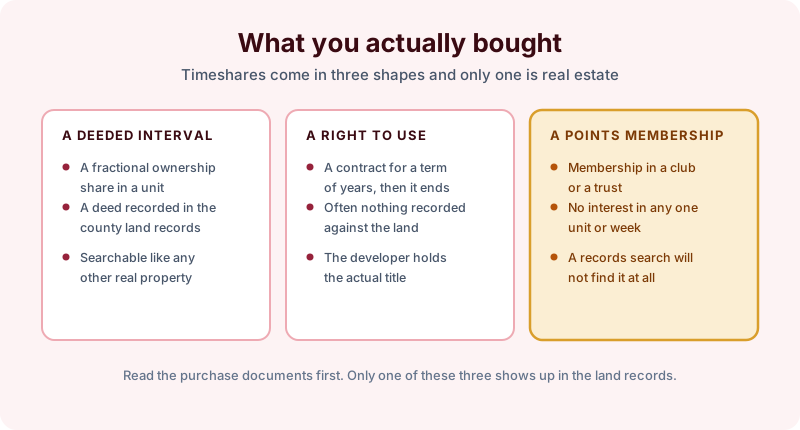
Three things sold under one name
A deeded interval is genuine fractional ownership of a specific unit, conveyed by a deed recorded in the county where the resort sits. It behaves like other real property, and it is searchable.
A right to use is a contract letting you occupy something for a term of years, after which it simply ends. The developer keeps title, and frequently nothing is recorded against the land in your name at all.
A points membership in a club or trust gives you no interest in any particular unit or week. There is nothing for a records search to find, because there is nothing tied to a parcel.
Your purchase documents will tell you which you have. So will the county, if you are not sure. A deeded interval appears in the grantee index under your name, and the other two generally do not appear anywhere in the land records at all.
What a search of a deeded interval returns
For a deeded interval, a search over the property returns the vesting deed and the exact undivided fractional share it conveys, the recorded declaration and any amendments governing the resort, and anything filed against the interest. That last category matters most, because assessment liens for unpaid maintenance fees are the usual reason someone is looking in the first place.
Those liens attach to the interest, not to the person who stopped paying. Inherit one and you inherit the lien with it, which is the same mechanic covered in HOA liens and your title search. A judgment, a tax lien, or an old mortgage recorded against a prior owner can also still be sitting there unreleased.
Before you sell, gift, or inherit one
Run the search first. Sellers routinely discover that the deed is in a deceased parent’s name and that an estate step has to happen before anything can be conveyed, or that fees have accrued for years against an interest nobody knew existed. A buyer of a resale wants to see that the transfer is clean and the assessments are current.
The takeaway
Establish which of the three you own before spending anything on title work, because only the deeded kind can be searched at all. For a deeded interval, the county has the deed, the declaration, and every lien recorded against the share. Order online with the resort name, the unit, and the week, or ask us and we will tell you whether a search will find anything before you pay for one.