

· AFX Research
Unpermitted Additions: What a Title Search Shows
A converted garage, a finished basement, a deck nobody pulled a permit for. Why the title report is silent about all of it, what does reach the land records, and the one phone call that answers the question.
Table of Contents
The listing says four bedrooms and the county says three. A buyer orders a title search expecting it to settle the question, and it comes back clean and says nothing about the extra room at all. That is not a gap in the search — it is two different government offices keeping two unrelated files, and knowing which one holds the answer saves a week of asking the wrong people.
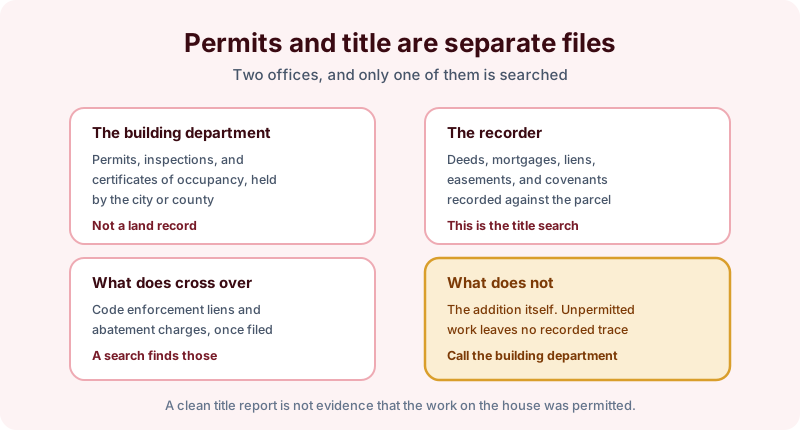
Two offices, two files
The building department — city or county, depending on where the property sits — issues permits, performs inspections, and closes them out with a final approval or certificate of occupancy. That file describes the structure.
The recorder keeps deeds, mortgages, liens, easements, and covenants. That file describes rights in the land. Nothing in a permit application gets recorded there, which is why a title report is silent on square footage, room counts, and whether the electrical was ever inspected.
What does cross over
Permit problems become title problems only when a government converts them into money or a recorded document:
- Code enforcement liens, once filed against the property.
- Abatement or demolition charges the city recorded or certified to the tax roll.
- Recorded notices of violation, in jurisdictions that use them.
- A recorded agreement to correct or remove work, occasionally used to close out a case.
All of those a search will find, because they are recorded instruments. Note the sequencing though: an open case with an unbilled balance sitting in a code enforcement file has not been recorded yet, so a clean report does not rule one out. That is the same limitation described in what a title search cannot find.
Why buyers still care
Unpermitted work carries real consequences that the record cannot price: an insurer may dispute a claim on the unpermitted portion, an appraiser may exclude the square footage, a lender may balk, and the cost of legalizing after the fact — opening walls for inspection — falls on whoever owns it then. A related check is whether the footprint respects the recorded setbacks and easements, which is in the land records, and our note on property lines covers where that ends and a survey begins.
Older houses complicate the comparison. Work done in the 1950s or 1960s may predate the permit requirement entirely, or the paperwork may simply be gone, and a missing permit is not automatically an unpermitted addition. The building department is the office that can tell you which situation you are in.
The one phone call
Call the building department with the address and ask for the permit history. Most will tell you over the phone or through an online portal, and comparing what was permitted against what exists is a fifteen-minute exercise. Order the title search for the recorded picture, including any liens the city has already filed, and treat the permit file as a separate errand.
When in doubt
Run both, and keep them straight: we report what is recorded against the parcel, as of the search date. Order online, or ask us what your report will and will not include before you rely on it for a permit question.