

· AFX Research
What to Search Before Adding Someone to the Deed
Adding a child or a spouse to a deed is a real conveyance with real consequences, and one of them is that the new owner's creditors now have something to look at. What to check before the deed is signed.
Table of Contents
Adding a family member to a deed is usually described as a paperwork step, done to simplify things later or to avoid probate. It is a conveyance of an ownership interest, and it is permanent once recorded. The property record is where the consequences show up, and there are two searches worth running before anything gets signed.
Search the property first
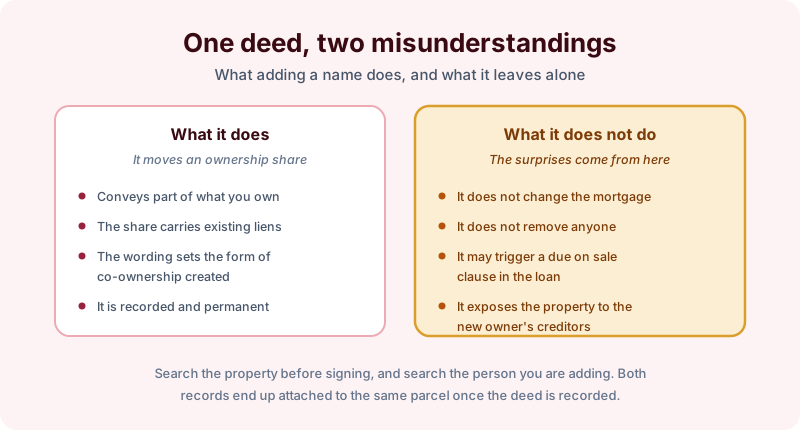
Confirm who currently holds title and how, because you can only convey what you actually own. A parcel already held in joint tenancy, already subject to a life estate, or vested in a trust behaves differently, and the new deed has to be drafted around what the record shows. Any mortgage, judgment, or tax lien already attached stays attached — the new co-owner takes their share subject to all of it.
The wording of the new deed matters more than most people signing one realize. Whether it creates a tenancy in common, a joint tenancy, or something else is set by the language used and by state law, and that choice decides what happens to the share when either owner dies. It is not a detail to leave to a form.
Then search the person you are adding
This is the step almost nobody takes, and it is the one that causes damage. A judgment against your son can attach to the interest in the house he now owns. A tax lien follows him onto your title. If he later divorces, files bankruptcy, or is sued, your home is part of the conversation, and the same exposure appears from the other direction in our note on title search for property owned by an LLC or trust.
A name search on the person being added is cheap relative to the risk, and it is the only way to see what is already docketed against them. It will not predict future creditors, which is the real long-term exposure, but it does establish the starting point.
What the deed will not do
It does not change the mortgage. The lender’s lien stays where it is, the original borrower stays liable, and many loans contain a clause allowing the lender to call the balance when an interest is transferred. Whether the transfer falls inside an exception is a question for the lender and counsel, in writing, before recording.
It also does not remove anyone. Taking a name off requires that person to sign a deed, which is a different transaction and, in a dispute, a difficult one. A quitclaim deed is the usual instrument here and it carries no warranties at all, which means it conveys whatever interest the signer has, including none.
And it does not settle the estate question people usually add a name to solve. Depending on the state and the form of co-ownership, the interest may still pass through probate, and our note on title search for inherited property covers what the record looks like when it does.
When in doubt
Order a search on the property and a name search on the person being added, read both before drafting, and take the tax and estate questions to a professional — those are outside what any records search answers. Order online, or ask us to scope a search of the parcel and the names you are considering.