

· AFX Research
How to Check If a Mortgage Was Paid Off
Paying off a loan and clearing it from the county record are two separate events, and the second one gets skipped more often than people expect. How to confirm a mortgage was actually released, and what to do when it was not.
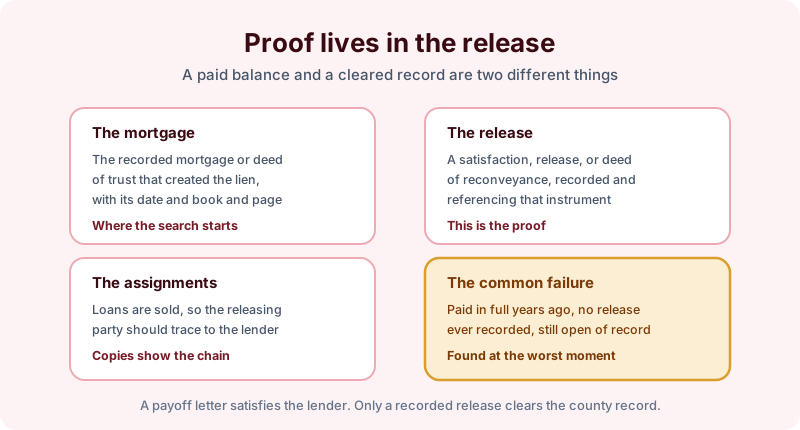
Here is the distinction that surprises people: paying a loan off satisfies the lender, but only a recorded release removes it from the county record. The two normally happen within weeks of each other. When they do not, the mortgage stays open of record for years, and it surfaces at a refinance, a sale, or an estate settlement, usually with a deadline attached.
What you are looking for
The document that closes out a mortgage goes by several names depending on the state and the instrument: a satisfaction of mortgage, a release, or a deed of reconveyance where the loan was a deed of trust. Whatever it is called, it should be recorded in the same county and should reference the original mortgage by date and by book and page or instrument number.
That reference is the whole point. A release floating in the index without a clear tie to the loan it discharges is a problem worth resolving now rather than at a closing table.
How to check it
Start with the county recorder or clerk, searching by the owner’s name and by the parcel. Many counties post indexes online, though coverage often thins out for older records, and the index entry alone may not tell you which loan a release refers to. Pull the images where they are available.
Then check the assignments. Loans are sold routinely, so the party that recorded the release should trace back through the recorded assignment chain to the lender that held the loan. A release signed by a servicer that never appears in the chain is the kind of gap that gets flagged at underwriting.
A title search does all of this in one pass and returns copies rather than index entries, which is the practical difference our note on free county records versus a title search describes.
When there is no release
It happens for ordinary reasons. The lender failed, merged, or was acquired; the paperwork went to the wrong county; a paper release was signed and never sent for recording. The fix depends on the state and on what evidence exists, and it commonly involves the current servicer, a successor institution, or a curative filing. Keep your payoff letter and your final statement, since they are the proof the balance was satisfied even when the record does not show it.
This is also why the problem is worth finding on purpose rather than by accident. An open mortgage of record on a property you own free and clear is one of the more common errors a search catches, and it is far easier to resolve on your own timeline.
When in doubt
If you are selling, refinancing, settling an estate, or you simply want to confirm that an old loan was cleared, a current owner search will tell you what the county record shows today, with copies of the instruments found. Order online, compare the report options, or ask us and we will tell you which search answers your question before you order anything.